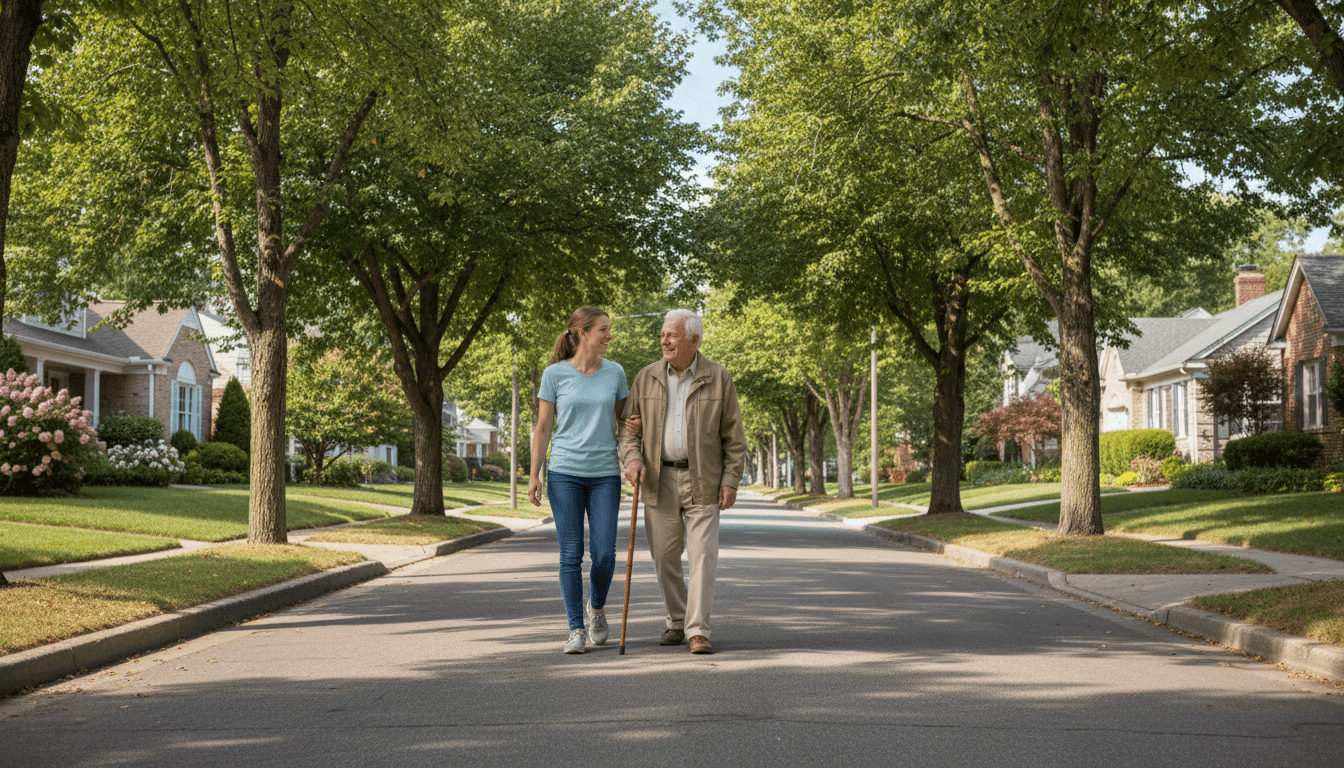
Successfully aging in place St. Louis requires implementing home safety modifications like securing loose rugs, installing non-slip bathroom mats, and clearing walkways to prevent falls. Families should also focus on long-term planning by evaluating health needs, arranging reliable transportation, and utilizing local resource centers to support continued independence.
As the years pass, many St. Louis families face a silent, growing concern. You notice your parents navigating the steep front steps of their South City bungalow or the narrow hallways of a Kirkwood Victorian with increasing difficulty. This transition is emotionally taxing, yet the desire to remain in a familiar neighborhood is powerful. Aging in place in St. Louis requires more than just good intentions; it demands a proactive strategy that balances independence with practical safety. In this guide, we provide a sophisticated roadmap for local families. You will learn how to initiate the delicate 40:70 conversation, identify structural risks inherent in St. Louis architecture, and implement home modifications that prevent accidents. We also explore the vital role of non-medical home care and local resources in fostering mental well-being, ensuring your loved ones thrive in the comfort of their own homes.
Understanding the Desire to Age in Place in St. Louis
Aging in place refers to the ability to live in one’s own home and community safely, independently, and comfortably, regardless of age, income, or ability level. For many residents in the St. Louis metropolitan area, this is not just a logistical preference; it is a deeply emotional choice. St. Louis is a city defined by its distinct neighborhoods. The connection to a specific street in Kirkwood, a quiet porch in Webster Groves, or a historic view in Tower Grove is often built over decades of lived experience. These homes hold cherished memories, provide a sense of stability, and keep seniors connected to their local social circles and familiar neighborhood businesses.
However, the architecture that once served a growing family may present new challenges as mobility or health needs change over time. Many local homes, while charming and full of character, require intentional adjustments to remain functional for long-term residency. Transitioning into this new chapter does not mean leaving the house you love. Instead, it involves recognizing when the physical environment needs to evolve alongside its inhabitants. At CareBuddy of St. Louis, we provide professional non-medical home care services that bridge the gap between maintaining independence and ensuring daily safety. Our goal is to help local seniors navigate the aging in place St. Louis journey by providing the specific support needed to remain securely in the communities they call home.
The 40:70 Rule: Starting the Conversation with Your Parents

Transitioning from acknowledging emotional ties to discussing the future requires a delicate balance. Gerontologists often suggest the 40:70 Rule as a preventative framework. This rule posits that by the time an adult child reaches age 40, and a parent reaches 70, the family should begin discussing future care needs. This proactive approach prevents the panic that occurs when a fall or sudden illness forces a snap decision. It allows parents to be the primary architects of their own future rather than passive recipients of a plan created during an emergency.
The setting of these talks significantly influences their success. Conversations about aging in place St. Louis should be woven naturally into life. Avoid having these talks during a crisis or a stressful holiday gathering. Instead, meet at a local coffee shop in Ladue or over a casual meal at home. This signals that you are planning with them, not for them. Keeping the environment low-pressure helps reduce the defensiveness that often arises when discussing physical or cognitive changes.
To keep the focus on empowerment, use scripts that prioritize their goals: - "I want to help you protect your investment in this home. What modifications would make your daily life easier?" - "I know how much you enjoy your garden. If we hired someone for the heavy housework, would that give you more energy for your plants?" - "Our goal is to make sure you stay in control of your schedule. Let us talk about what support looks like on your terms."
Resistance is a common hurdle and is often rooted in the fear of losing one's identity. If a parent becomes defensive or shows signs of depression, such as irritability or persistent fatigue, validate those feelings. Explain that accepting assistance is a proactive way to remain in the community they love. By choosing the best support for your loved one, you help them maintain their lifestyle while mitigating the risks that often come with living alone. Patience at this stage builds the trust necessary to eventually address the physical hazards found in many historic local houses.
Evaluating St. Louis Homes: Architecture and Safety Risks
To successfully implement a plan for aging in place St. Louis residents must first address the specific architectural quirks of their homes. Local housing stock varies significantly by neighborhood, and each style presents unique safety considerations. In historic districts like Soulard or Benton Park, many two and three story brick homes feature steep, narrow staircases that were built long before modern building codes. These stairs often lack sturdy handrails on both sides, making vertical mobility a primary risk factor for seniors.
In contrast, the mid-century ranch homes found throughout South County and Affton may seem safer because they are single level, yet they often harbor subtle tripping hazards. Many of these residences utilize thick metal or wood transition strips between different flooring types, such as where kitchen tile meets living room carpeting. These small elevations are easy to overlook but frequently cause stumbles. A room by room evaluation should prioritize areas where local architecture creates friction with mobility:
The Basement: In many Kirkwood bungalows or Webster Groves cottages, laundry facilities remain in unfinished basements. Navigating concrete stairs while carrying a heavy basket is a high risk activity that often requires an adjustment in routine.
The Bathroom: Traditional St. Louis bathrooms frequently feature high threshold cast iron bathtubs. Stepping over a high porcelain wall onto a wet floor is a significant challenge for those with limited hip mobility.
Hallways and Lighting: Older floor plans often include long, dimly lit corridors with light switches located only at one end, increasing the risk of falls during the night.
Identifying these architectural vulnerabilities is the first step toward creating a safer environment. When families understand the specific risks posed by their home layout, they can better determine when professional non-medical home care services are needed to assist with high risk daily tasks.
Practical Home Modifications for Aging in Place
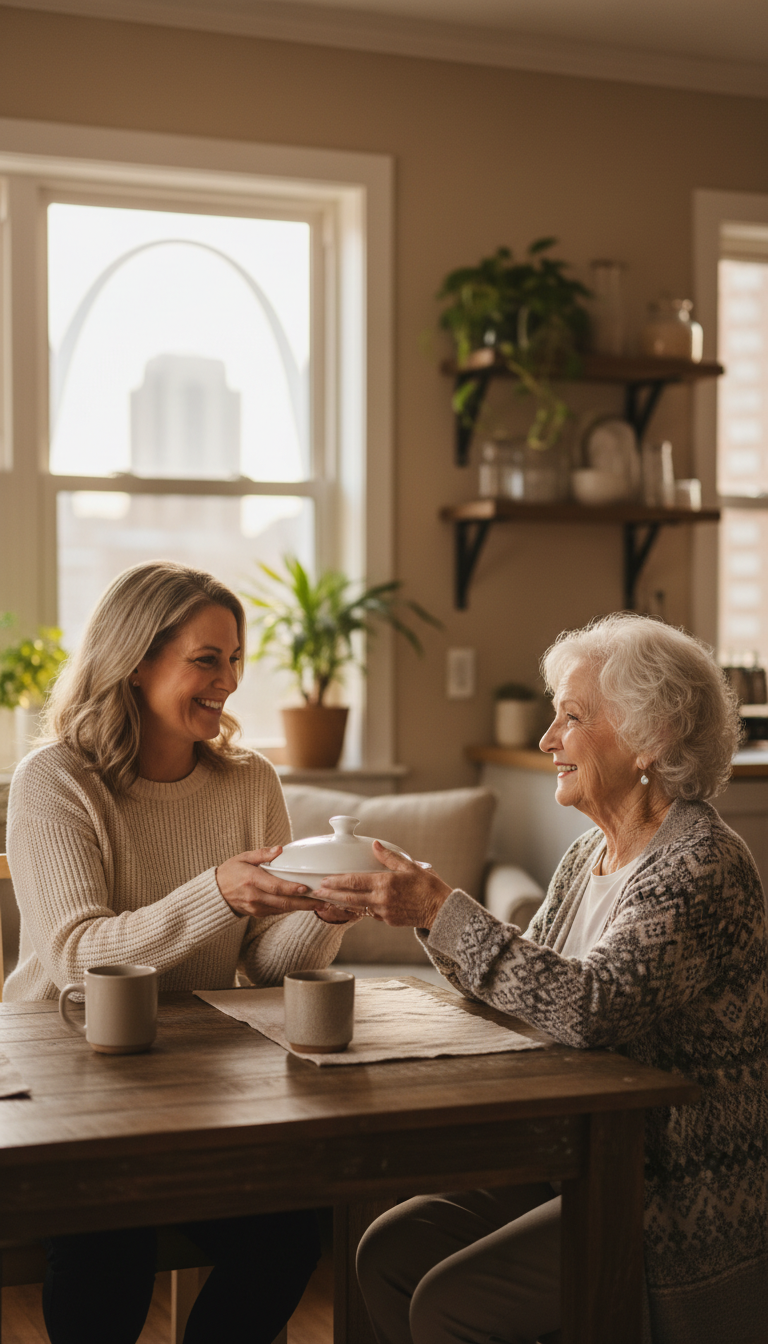
Once you identify the risks within a St. Louis home, the next step is implementing a tiered strategy of modifications. It is helpful to distinguish between simple fixes, which are immediate and low cost, and major upgrades that require professional planning.
Simple Fixes for Immediate Safety - Remove all throw rugs, especially those on polished hardwood floors common in many older St. Louis residences. If a rug is necessary, use high strength rug tape to secure every edge. - Swap traditional light switches for motion-sensor lighting in bathrooms and dark corridors. This ensures a clear path during late night movements without fumbling for a switch. - Replace standard door knobs with lever style handles to make room entry easier for those with arthritis or limited grip strength.
Essential Hardware and Major Upgrades Bathroom safety is non negotiable. Installing permanent grab bars anchored into wall studs provides more security than suction cup versions. For those living in multi-story homes in neighborhoods like Shaw or Dogtown, a stair lift can transform a challenging house into a long term residence. Similarly, replacing a high threshold tub with a walk-in model significantly reduces fall risks.
When planning these changes, look for local contractors who are Certified Aging in Place Specialists (CAPS). These professionals understand the specific structural needs of aging in place St. Louis homes and can navigate the permits required for larger renovations. Local aging in place home modification programs can often provide a list of vetted specialists who focus on senior safety. While these physical changes create a safer foundation, combining them with professional non-medical home care services provides a holistic approach to safety. When you are choosing the best support for your loved one, consider how physical modifications and personal assistance work together to protect their independence.
Combating Isolation and Supporting Mental Health
While physical modifications protect the body, mental health is a vital pillar for a successful aging in place St. Louis experience. A frequent concern for families is the common question: what are the effects of isolation on elderly people? Clinical research shows that chronic loneliness is not just an emotional burden; it is a significant health risk. It contributes to higher rates of cognitive decline, heart disease, and a weakened immune system. In St. Louis, where many residents rely on cars to navigate the metro area, social circles often shrink the moment a senior stops driving. Losing the ability to visit a favorite deli in The Hill or meet friends at a park in South County can lead to a sense of withdrawal and depression.
To combat these effects, it is essential to utilize local social infrastructure. The St. Louis County Older Residents Program (CORP) and organizations like FivePlus provide excellent avenues for lifelong learning and community connection. Additionally, professional non-medical home care services offer more than just task management. They provide consistent companionship that anchors a senior’s day. When choosing the best support for your loved one, prioritize social engagement as much as physical safety. A socially connected senior is more likely to remain active, observant, and resilient within their own home environment.
Connecting with St. Louis Senior Resources
Navigating the landscape of aging in place St. Louis requires more than just family support; it requires a connection to established civic resources. For those living within the city limits, the St. Louis Area Agency on Aging (SLAAA) serves as a central hub for social services and nutrition programs. Residents in St. Louis County should contact the Mid-East Area Agency on Aging (MEAAA), which provides similar support across the broader metropolitan region. These organizations function as an aging and disability resource center, offering a single point of entry for information on long-term care.
Staff at these agencies help families identify specific local grants or cost-sharing programs designed for home safety modifications, such as ramps or bathroom upgrades. By utilizing these public resources alongside professional non-medical home care services, families create a robust safety net. When you are choosing the best support for your loved one, these local experts clarify which state or federal benefits apply to your specific situation.
The Role of Non-Medical Home Care in Safety

Utilizing local resources provides a vital foundation, but professional non-medical home care services add a layer of daily vigilance that technology cannot match. For adult children living in West County or outside of Missouri, caregivers serve as the essential eyes and ears on the ground. These professionals identify subtle changes in a senior's gait or cognitive clarity that might be missed during a weekly phone call.
Practical tasks like light housekeeping go beyond simple aesthetics; they ensure that high traffic areas remain free of the clutter that frequently causes falls. Assistance with meal preparation further protects the household by preventing kitchen accidents, such as stove fires or injuries from handling heavy cookware. When choosing the best support for your loved one, it is vital to distinguish between companionship, which prioritizes social connection and mental engagement, and personal care, which addresses physical hygiene and mobility. Together, these services ensure that aging in place St. Louis is a managed, secure experience rather than a series of avoidable risks.