Families can identify senior malnutrition St. Louis by monitoring for signs like unplanned weight loss, fatigue, and a sudden lack of interest in meal preparation or favorite foods. To prevent nutritional decline, caregivers should address underlying medical issues, ensure regular physical activity, and provide calorie-dense meals that accommodate physical needs like proper denture fit.
Noticing your aging parent in St. Louis becoming increasingly frail can be deeply unsettling for any family member. You might observe looser clothing or a sudden lack of energy during your weekend visits, yet these changes often hide a more significant issue. Senior malnutrition is a silent crisis that compromises immunity and accelerates the loss of independence. It is a complex challenge influenced by physical health, social isolation, and local access to fresh groceries. In this guide, we will explore the subtle physical red flags and household warning signs you should watch for. You will also learn about specific St. Louis nutrition resources, Missouri state benefits, and how professional home care provides a sustainable solution for your loved one. By understanding these risks, you can take practical steps to ensure your parent remains nourished and healthy in their own home.
Understanding the Risks of Senior Malnutrition in St. Louis
Watching a parent age often involves subtle changes, but noticing them becoming increasingly thin or frail can be deeply unsettling. You might assume they are simply losing their appetite due to age, but for many families across our metro area, these are the first signs of senior malnutrition St. Louis residents often overlook. According to the National Council on Aging (NCOA), 1 in 2 older adults is either malnourished or at risk of becoming so. This silent crisis often goes undetected because it does not always look like starvation.
Malnutrition is more than just a lack of calories; it is a deficit of essential vitamins, minerals, and proteins required to maintain muscle mass and cognitive function. A senior might feel full after a bowl of cereal or "tea and toast," yet their body is effectively starving for the nutrients needed to prevent falls and illness. In our local community, where many seniors live independently in older multi-level homes, this nutritional gap creates a dangerous vulnerability. Understanding that your loved one can be eating regular meals but still be malnourished is the first step toward securing the professional non-medical home care services or family interventions necessary to protect their health and independence.
Physical Red Flags: How to Tell if Your Parent Is Malnourished
Identifying physical symptoms of senior malnutrition St. Louis requires looking beyond the scale. While unplanned weight loss is the most visible indicator, often revealed by belts pulled tighter or clothes that hang loosely, other signs are more subtle. Muscle weakness and persistent fatigue are common consequences when the body begins to break down its own tissue for energy. This loss of strength directly impacts a senior's ability to navigate their environment safely.
To accurately assess the situation, families should monitor these five nutritional red flags:
Dry mouth and cracked lips: These often signal chronic dehydration or specific vitamin B deficiencies.
Dark or concentrated urine: A primary indicator that the senior is not consuming enough fluids or water-dense foods.
Dizziness when standing: Known as orthostatic hypotension, this occurs when a lack of nutrients and fluids causes blood pressure to drop suddenly upon rising.
Increased confusion: Brain function declines rapidly without adequate glucose and micronutrients, often mimicking or worsening cognitive impairment.
Slow healing or easy bruising: A lack of protein and Vitamin C compromises the skin's integrity and the body's natural repair mechanisms.
For seniors living in the St. Louis area, particularly in older multi-level homes with steep basement stairs or traditional second floors, these symptoms are particularly dangerous. Dizziness and muscle weakness are a recipe for catastrophic falls. When a senior experiences orthostatic hypotension at the top of a staircase, the risk of a hip fracture or head injury increases exponentially. Utilizing senior meal delivery and preparation services can ensure they receive the steady nutrition needed to maintain blood pressure and muscle tone, keeping them stable on their feet and secure in their homes.
Household Clues: Spotting Poor Nutrition Before the Health Crisis
While physical changes are significant, the most telling signs of senior malnutrition St. Louis families encounter are often found in the kitchen. When visiting a parent, perform a quiet audit of their environment. Open the refrigerator to check for expired food or containers of leftovers that have gone untouched for weeks. A fridge that is surprisingly empty or, conversely, filled with moldy produce suggests a disconnect between buying food and actually consuming it.
Look for these behavioral and environmental cues during your visit: - A shift toward a 'tea and toast' diet, where shelves are stocked only with crackers, white bread, and canned soups. - A complete lack of interest in cooking once-favorite meals or family recipes. - Piles of unopened mail or junk mail on the kitchen table, which often correlates with a general neglect of household routines. - Evidence that the oven or stove has not been used in months.
In the St. Louis metro area, the logistics of food access often contribute to these habits. Many older neighborhoods are classified as food deserts, and even for those near a store, navigating the expansive aisles of a local supermarket can be exhausting for someone with limited mobility. If your parent is struggling to manage these household tasks, professional non-medical home care services can provide the necessary support to keep their kitchen functional and their diet balanced.
Why Seniors in St. Louis May Skip Meals

If your audit of the kitchen reveals untouched food, the next step is understanding the underlying barriers. Senior malnutrition St. Louis often stems from physiological changes that make eating uncomfortable or difficult. Poorly fitting dentures or missing teeth turn a nutritious meal into a painful chore. Furthermore, many medications common among seniors list appetite suppression or xerostomia, commonly known as dry mouth, as side effects. These conditions significantly alter the taste and texture of food, making it less appealing. If swallowing becomes difficult, a condition known as dysphagia, a senior may subconsciously avoid meals to prevent the sensation of choking.
Beyond physical health, social isolation acts as a powerful deterrent to proper nutrition. Research indicates that eating is fundamentally a social activity; when a spouse passes away or adult children move away from the St. Louis metro area, the motivation to prepare a balanced meal often disappears. It feels unnecessary to cook for one, leading to a habit where nutrient-dense foods are replaced by simple, low-effort carbohydrates. This loneliness directly correlates with a lack of interest in eating, as the joy associated with shared mealtimes is lost.
Local environmental factors also play a critical role. The intense Missouri climate, particularly the humid St. Louis summers, can lead to rapid dehydration and heat-related appetite suppression. When the temperature spikes, seniors may feel too lethargic to cook or may not realize they are losing fluids. Without senior meal delivery and preparation, these individuals are at a high risk for a cycle of fatigue and further meal skipping. Recognizing these triggers allows families to intervene before a nutritional deficit becomes a medical emergency.
Leveraging St. Louis Senior Nutrition Resources

Identifying the triggers behind poor eating habits is the first step, but the next is connecting your loved one with the infrastructure designed to combat senior malnutrition St. Louis residents have at their disposal. Our community offers several robust programs to ensure no senior goes without a meal. Meals on Wheels of Greater St. Louis provides a vital lifeline by delivering hot, nutritious food directly to the doors of homebound individuals. This service is particularly valuable for those who can no longer navigate a kitchen safely but wish to remain in their homes.
For families in St. Louis County, the Aging Ahead program operates numerous senior centers that offer both congregate meals, which encourage social interaction, and home-delivered options. Residents within the city limits should utilize the St. Louis City Senior Nutrition Program, reachable at 314-612-5918, to coordinate meal support.
While these public resources are excellent for meeting basic caloric requirements, they are often standardized. They may need to be supplemented with fresh produce and personalized preparation to address specific dietary restrictions or sensory preferences. Integrating these community programs with professional non-medical home care services ensures your parent receives help with meal setup, encouragement, and the variety needed to maintain a healthy weight. If you need assistance coordinating these resources, you can contact CareBuddy Of St. Louis for personalized guidance.
Missouri Benefits and Free Food Programs for Seniors
Financial constraints often prevent families from accessing high-quality nutrition, making state and federal benefits a critical component of addressing senior malnutrition St. Louis. The Supplemental Nutrition Assistance Program (SNAP), managed by the Missouri Department of Social Services, provides monthly electronic benefits to purchase groceries. Many seniors erroneously believe they are ineligible; however, Missouri offers simplified application processes specifically for older adults, particularly those with high out of pocket medical expenses that can be deducted from income calculations.
Another essential resource is the Commodity Supplemental Food Program (CSFP), frequently referred to as Senior Boxes. Distributed through the St. Louis Area Foodbank, these boxes include shelf-stable protein, grains, and canned produce designed to supplement a senior's diet. To qualify for CSFP, a resident must be at least 60 years old and meet specific income guidelines. Families can check eligibility by visiting the St. Louis Area Foodbank website or contacting the Missouri Family Support Division. If you find that acquiring food is less of a challenge than the physical act of shopping or cooking, professional non-medical home care services can help bridge that gap by providing the hands-on assistance needed to utilize these benefits effectively.
How Professional Home Care Prevents Malnutrition
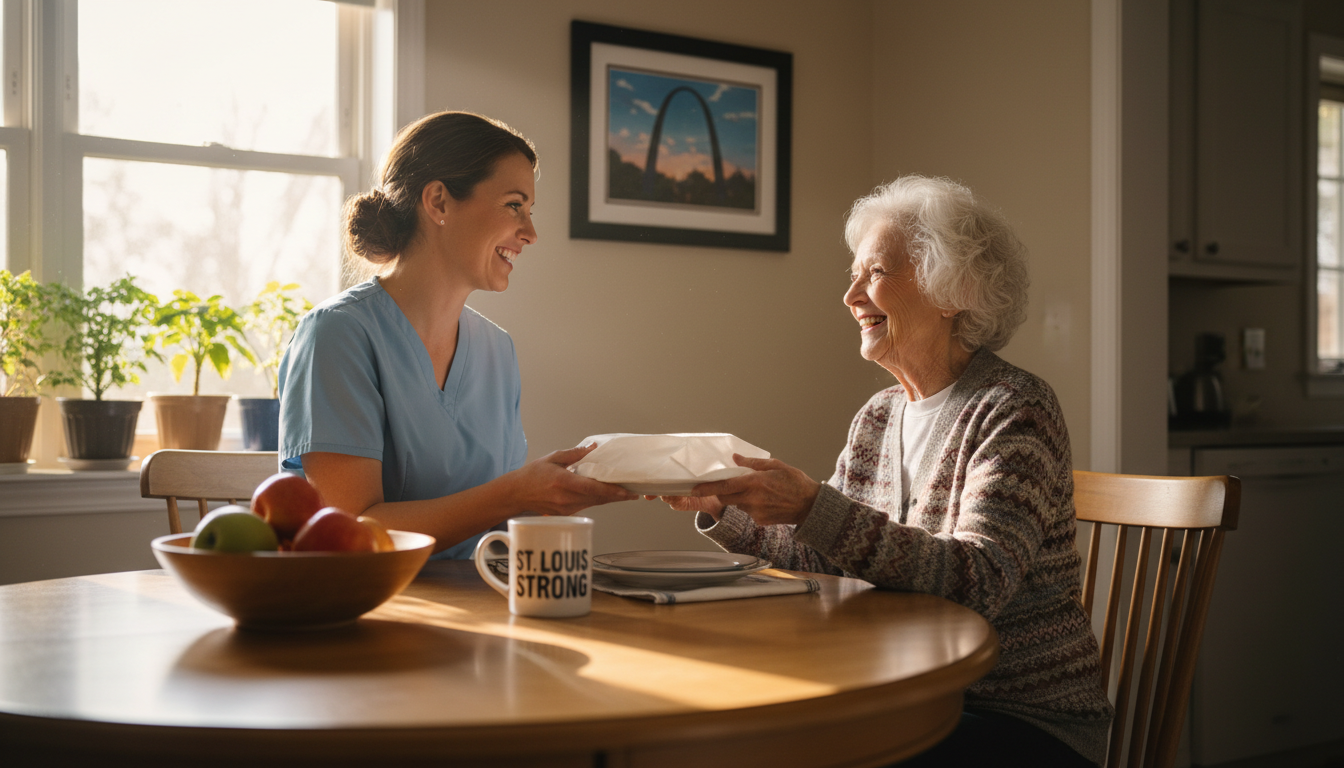
While government benefits and food programs provide the necessary ingredients, the physical and emotional hurdles of the kitchen often remain. This is where professional non-medical home care services bridge the gap between simply having food in the house and being truly well-nourished. At CareBuddy Of St. Louis, we approach nutrition through four specific pillars designed to keep seniors safe and healthy in their own homes.
Grocery Assistance Navigating local St. Louis markets can be an exhausting ordeal for an older adult. From finding parking at a busy grocery store to the physical strain of carrying heavy bags into a South City bungalow or a multi-level Kirkwood home, the logistics often discourage seniors from shopping for fresh produce. A caregiver provides the transportation and physical labor required to stock the kitchen with nutrient-dense options, ensuring that the fridge is always filled with fresh, healthy choices rather than just shelf-stable processed goods.
Meal Planning Left to their own devices, many seniors fall into a repetitive cycle of low-nutrient meals. Our caregivers help create a diverse weekly menu that incorporates the proteins and vitamins necessary for muscle retention and cognitive health. This structured planning ensures that the "tea and toast" habit is replaced by balanced meals that cater to specific dietary needs, medication requirements, or doctor-recommended restrictions.
Meal Preparation Arthritis, tremors, or general fatigue can make chopping vegetables or handling hot pans a dangerous task. By providing senior meal delivery and preparation, we remove the physical barriers to eating well. A caregiver handles the knife work, cooking, and cleanup; this ensures that the senior has access to fresh, hot meals without the risk of burns or kitchen accidents.
Companionship The social aspect of eating is a critical component of senior nutrition. Loneliness is a primary driver of skipped meals in our community. Having a friendly face to talk to during lunch or dinner transforms eating from a chore into a highlight of the day. This social engagement naturally boosts appetite and ensures someone is present to monitor for signs of dehydration or swallowing difficulties. Supporting these nutritional needs is fundamental to helping your loved one age in place safely; you can contact CareBuddy Of St. Louis to learn more about our local support options.
Practical Tips for Adult Children to Boost Parental Appetite
Focusing on small, frequent meals rather than three large plates can significantly reduce the feeling of being overwhelmed by a full table. Aim for five or six mini-meals throughout the day to keep energy levels stable. Consistency is also vital; establishing a routine schedule helps regulate the body's internal hunger signals. To address senior malnutrition St. Louis families can increase nutrient density without increasing the volume of food. Try adding healthy fats like avocado or olive oil to savory dishes, or stirring unflavored protein powder into soups and oatmeal.
Prioritize including these five essential food groups every day: - Leafy greens: Spinach or kale for Vitamin K and fiber. - Berries: Blueberries or strawberries for essential antioxidants. - Lean protein: Chicken, fish, or beans to maintain vital muscle mass. - Whole grains: Quinoa, brown rice, or oats for sustained energy. - Calcium-rich foods: Greek yogurt or fortified milk to support bone density.
If your loved one finds it physically difficult to shop for or prepare these specific items, senior meal delivery and preparation can ensure these nutrients are consistently on the menu. For personalized support in implementing these strategies at home, contact CareBuddy Of St. Louis to speak with a care coordinator about your family's needs.
Supporting a senior loved one through nutritional challenges is often about small, consistent changes and regular observation. While these steps make a significant difference, managing every meal and health indicator can become overwhelming for busy families. If you want expert help ensuring your loved one maintains a healthy lifestyle in the comfort of home, professional support provides peace of mind. You can learn more about our team and values to see how we help St. Louis families stay healthy and connected.