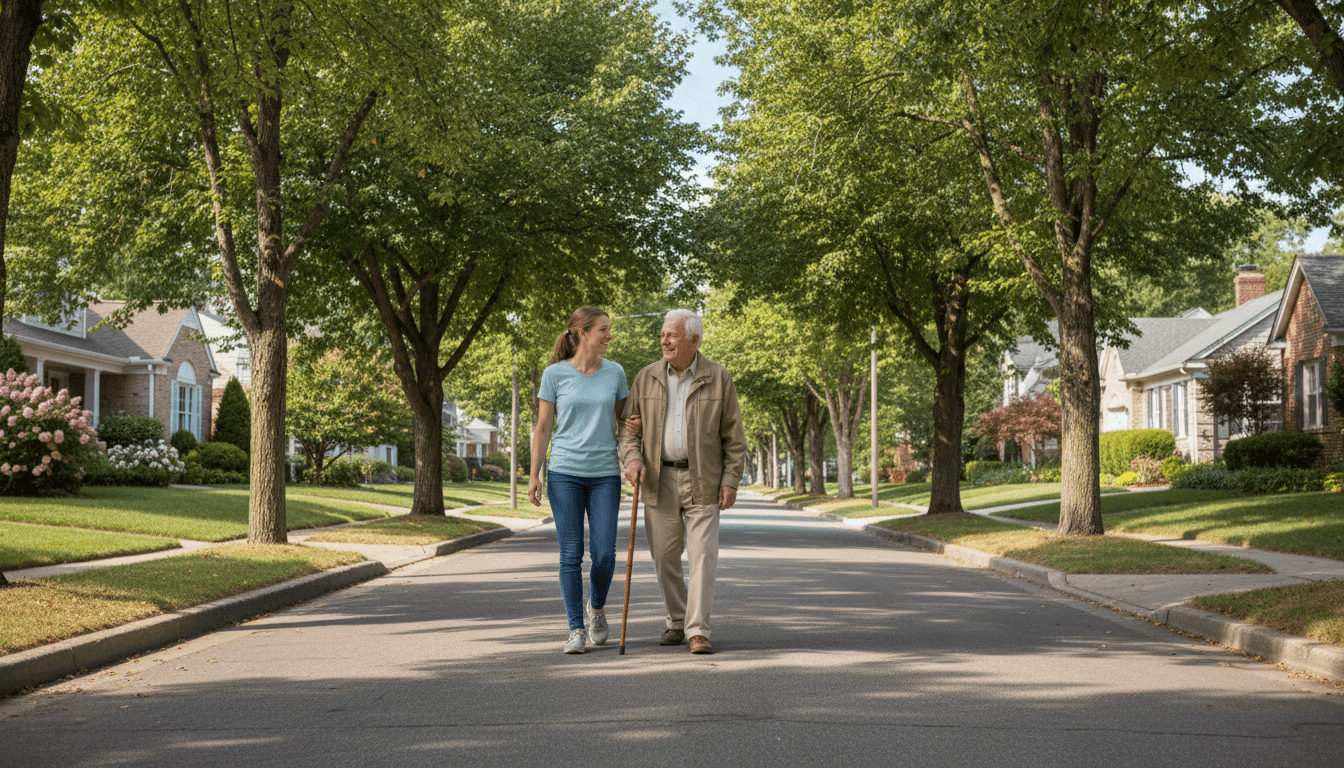
Essential senior winter safety tips include dressing in warm layers to prevent hypothermia, maintaining indoor temperatures above 68 degrees, and clearing walkways of ice to avoid dangerous falls. Caregivers should also prepare emergency kits for power outages and ensure heating systems are professionally inspected to maintain a safe home environment.
As the first frost settles over the Gateway City, the daily routines of our local seniors often become fraught with hidden dangers. Whether it is the sudden patches of black ice on a driveway in Ladue or the biting wind chill near the river, the St. Louis winter presents unique challenges for families caring for aging parents. Ensuring their well being requires more than just a heavy coat; it demands a proactive strategy to mitigate risks that can lead to serious injury or health complications. In this guide, we will provide expert advice on managing indoor fire hazards, preventing devastating falls on icy walkways, and identifying the early warning signs of hypothermia. We will also explore ways to combat seasonal isolation and discuss when professional home care becomes the most reliable safety net for your family.
Understanding Winter Risks for St. Louis Seniors
St. Louis winters are notoriously volatile. The high humidity in the Gateway City often makes a 30 degree day feel significantly colder than a dry climate, and our region is prone to sudden ice storms that can paralyze the metro area in hours. These conditions present more than just an inconvenience for older adults; they represent a serious health risk.
As the body ages, it becomes less efficient at regulating internal temperature. This susceptibility is often compounded by medications, such as beta blockers or certain antidepressants, which can interfere with the body's natural thermoregulation and increase the risk of hypothermia even at temperatures that might seem safe. While many residents prepare for heavy snow, the greater threat on St. Louis sidewalks is often black ice. Unlike visible snow, this transparent glaze forms during our frequent freeze thaw cycles, making standard walkways treacherous.
Emergency management experts often advocate for the 4 Ps of winter preparedness: People, Pets, Pipes, and Plants. While all require attention, protecting the People in our community is the core focus of these senior winter safety tips. Ensuring that older neighbors have adequate heat and the resources to remain indoors during a freeze is the first step in a comprehensive winter plan. For families who cannot be there daily, non-medical home care services can provide the necessary oversight to manage these unique seasonal risks.
Indoor Safety: Managing the Thermostat and Fire Hazards
Maintaining a safe indoor environment starts with the thermostat. The National Institute on Aging (NIA) recommends keeping indoor temperatures between 68 and 70 degrees Fahrenheit at all times. In older St. Louis neighborhoods where drafty windows and high ceilings are common, it can be tempting to lower the heat to save on utility bills. However, for seniors, a house that is too cold can lead to hypothermia just as easily as being outdoors.
Many residents supplement their central heating with portable space heaters, especially in localized areas like bedrooms or dens. While effective, these devices require strict adherence to the 3 foot rule: always maintain a three foot clearance between the heater and anything flammable, including curtains, rugs, bedding, or furniture. It is also vital to ensure that any heater used has an automatic shut off feature in case it tips over.
Beyond fire risks, winter is the peak season for carbon monoxide poisoning. Because CO is an odorless and colorless gas, it is often called the silent killer. Caregivers should test all carbon monoxide detectors monthly and replace batteries at the start of the season. To ensure the heating system is functioning safely, schedule a professional inspection with local providers such as Spire or Ameren before the first major cold snap. If managing these household logistics becomes overwhelming, non-medical home care services can assist with daily monitoring to ensure the home remains a safe haven. Following these senior winter safety tips helps prevent avoidable indoor emergencies while keeping the living space comfortable during the harshest Missouri freezes.
Preventing Falls on Icy St. Louis Walkways
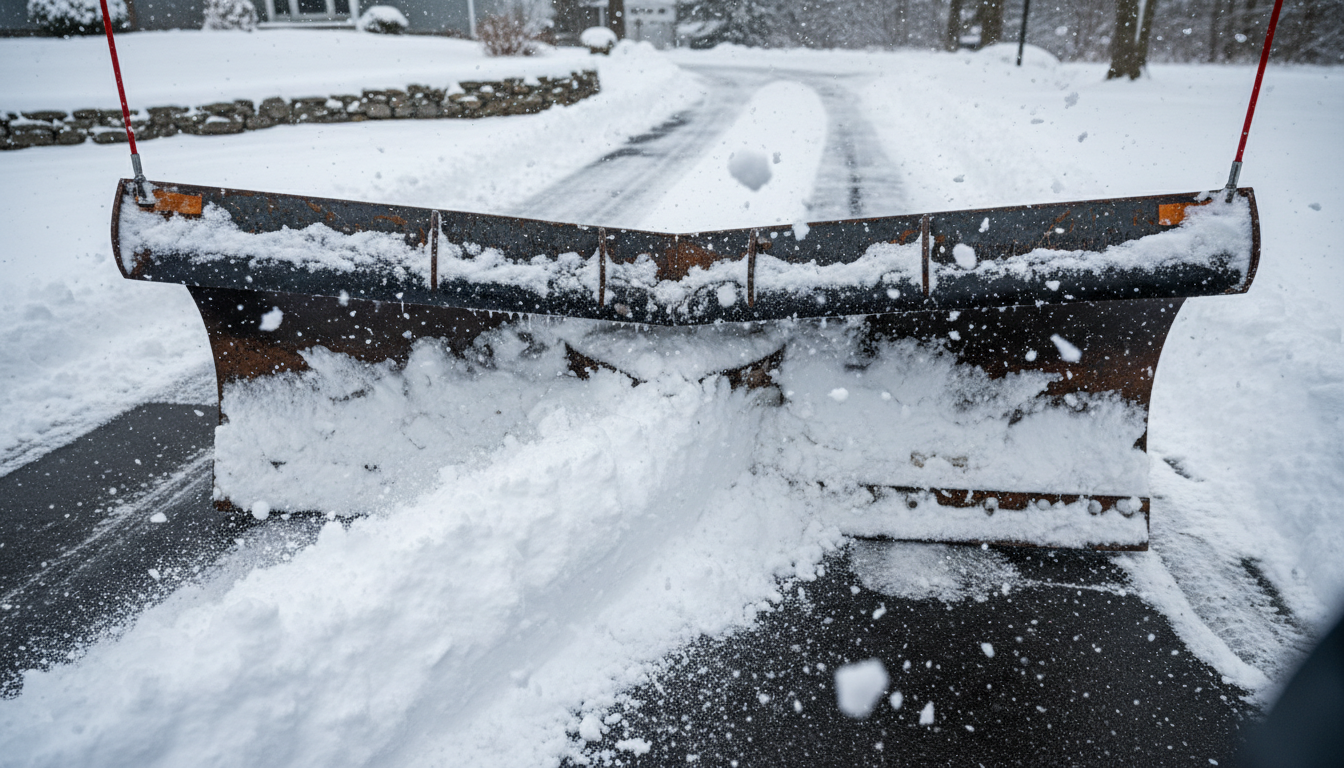
While indoor climate control is essential, the transition from the porch to the driveway presents the highest risk for acute injury. St. Louis weather often oscillates between daytime melting and nighttime freezing. This cycle creates a thin, nearly invisible layer of ice on concrete surfaces that even a light dusting of snow can hide. Unlike crunchy snow that offers some level of grip, this glaze requires specific preventative measures.
Proper footwear serves as the first line of defense against these conditions. Seniors should avoid shoes with smooth plastic or leather soles, which provide no grip on frozen surfaces. Instead, opt for boots with deep treads and non slip rubber soles specifically designed for traction. For those who must venture out, adult children should proactively arrange for professional snow removal or visit early to clear paths before their parents need to leave the house. Utilizing pet safe salt or plain sand provides necessary grit for traction without damaging paws or local vegetation.
Hazards do not stop at the threshold. Melted snow tracked inside onto tile or hardwood floors creates an immediate slipping risk that is often overlooked. Large, heavy duty walk off mats should be placed at every entrance to absorb moisture and provide a stable surface for removing boots. When these physical tasks become taxing, professional non-medical home care services ensure that entryways remain clear and help clients navigate slippery surfaces safely. If you are concerned about a loved one's mobility during a Missouri storm, you can contact our team to discuss a personalized safety plan.
Recognizing the Warning Signs of Hypothermia and Frostbite
While falls are an immediate threat, cold related illnesses are often insidious. Hypothermia occurs when the body loses heat faster than it can produce it. For seniors, this dangerous drop in body temperature can happen indoors if a home remains below 68 degrees for an extended period. Early indicators include shivering, physical exhaustion, and fumbling hands. As the condition progresses, caregivers may notice confusion or slurred speech, symptoms that are occasionally and incorrectly dismissed as typical signs of aging.
It is critical to differentiate between mild shivering and emergency level symptoms. If a senior stops shivering but their skin remains cold to the touch and they appear lethargic or unresponsive, call 911 immediately. Frostbite is a separate but related concern, specifically affecting the extremities. During the initial stages, a senior might describe a pins and needles sensation. Caregivers should inspect the skin for color changes, looking for areas that appear unusually white, gray, or yellow and feel firm or waxy to the touch.
According to the CDC, older adults are also at a significantly higher risk for flu related complications during these months, which can further compromise their ability to regulate body temperature. Professional non-medical home care services provide a second set of eyes to monitor for these physiological changes, ensuring that early warning signs do not go unnoticed during the peak of a Missouri winter.
Combatting Winter Isolation and Seasonal Depression
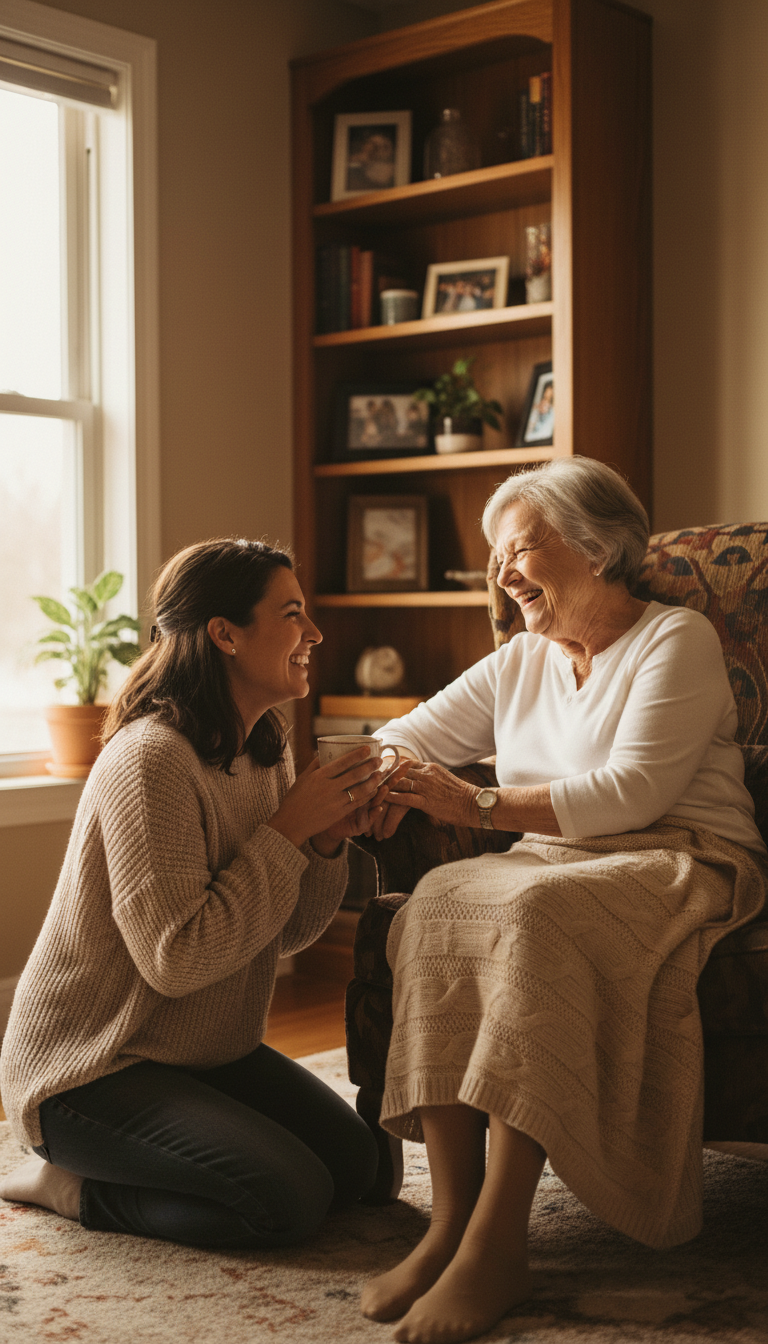
While monitoring for physical symptoms is vital, the psychological impact of a St. Louis winter is often overlooked. Our region's grey skies and icy roads can trap seniors indoors for weeks at a time, leading to significant mental health decline. This period of prolonged staying at home, often called cabin fever, is more than just boredom; it is a serious health risk. Clinical research shows that social isolation in older adults is linked to an increased risk of heart disease, stroke, and weakened immune systems.
Maintaining social connections should be viewed as a core part of any senior winter safety tips strategy. Adult children can mitigate these risks by establishing a consistent schedule of contact. Rather than calling randomly, set a specific time for daily video calls. This gives your loved one something to look forward to and helps anchor their daily routine. If you cannot be there in person, non-medical home care services provide regular social interaction and cognitive stimulation that prevents the onset of seasonal depression.
Physical activity is another powerful tool against isolation. When outdoor sidewalks are too dangerous for a stroll, look for climate controlled environments. In the St. Louis area, spots like West County Center or South County Center offer flat, safe surfaces for indoor mall walking. These locations allow seniors to remain active without the risk of slipping on black ice. Many local senior centers also offer indoor programs that provide both exercise and community.
Encouraging indoor hobbies also helps maintain mental acuity during the winter months. Activities such as puzzles, audiobooks, or even indoor herb gardens can keep the mind engaged. If you notice a loved one becoming increasingly withdrawn or losing interest in their usual activities, it may be time to contact our team to discuss how companionship care can bridge the gap during the cold Missouri months. Providing a consistent social presence is just as important as keeping the driveway salted.
Stocking the Pantry: Nutrition and Emergency Supplies
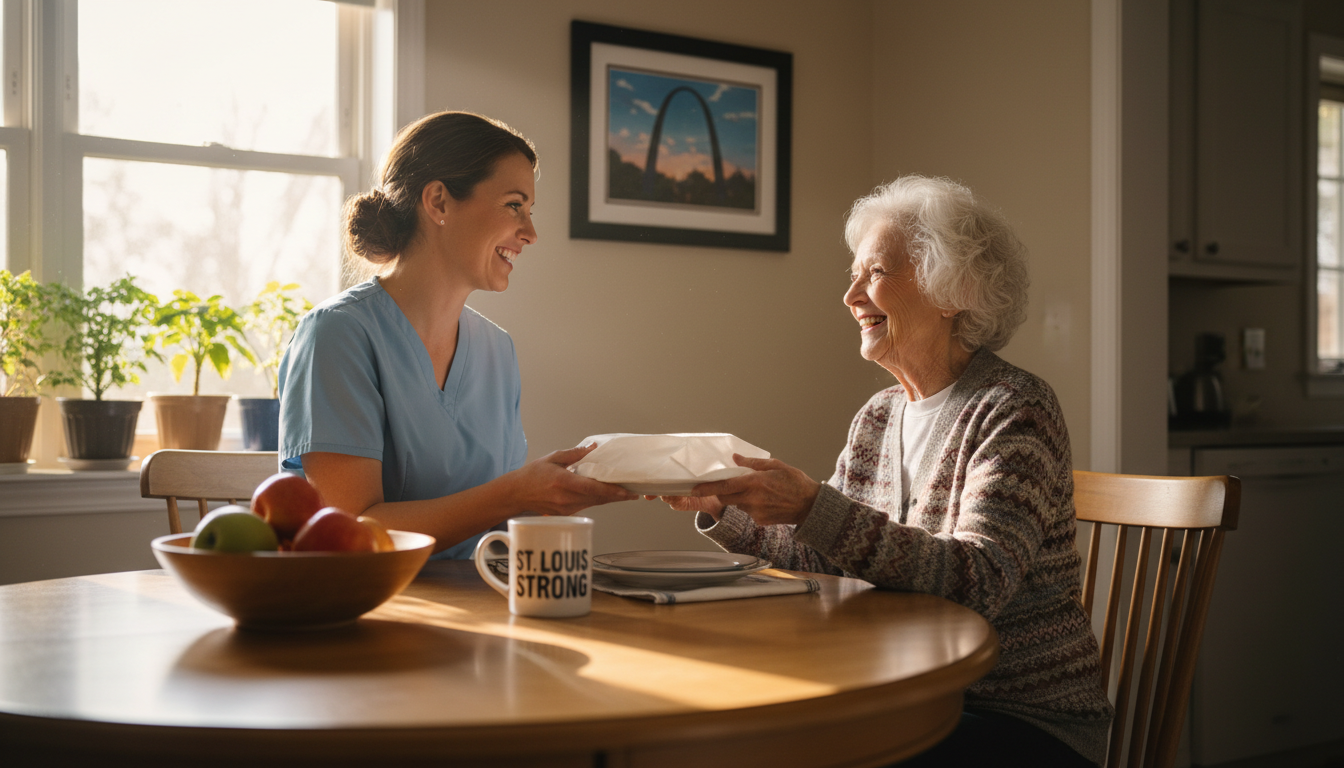
A well prepared kitchen is the foundation of senior winter safety tips during a Missouri ice storm. When the forecast predicts freezing rain, the primary question for families is: what should I stock up on before a winter storm? A comprehensive emergency kit must include a minimum seven day supply of all prescription medications and a stock of extra batteries for hearing aids, flashlights, and medical devices. Because St. Louis power outages can last for days during heavy ice loads, include non perishable foods that do not require cooking, such as canned proteins, nut butters, and dried fruits.
Hydration is often the most overlooked aspect of winter nutrition. Seniors naturally experience a diminished sense of thirst, and the dry air from indoor heating systems can lead to rapid dehydration without the individual noticing. Ensure there is plenty of bottled water on hand in case of frozen pipes or utility disruptions.
Consistency in nutrition is also vital for maintaining strength and immunity. If local road conditions prevent family members from visiting, senior meal delivery in St. Louis ensures that older adults receive hot, balanced meals. Supplementing these efforts with non-medical home care services provides the reassurance that someone is checking expiration dates and rotating pantry stock. For help auditing a loved one's home for winter readiness, feel free to contact our team to discuss a customized plan.
When Home Care Becomes the Safest Winter Option
When a wintry mix turns St. Louis streets into a glazed mess, the risk to independent seniors escalates quickly. Professional non-medical home care services act as a vital safety net during these periods of isolation. Caregivers provide hands-on assistance with technical senior winter safety tips, such as ensuring clothing is layered correctly to trap body heat and verifying that the indoor climate remains stable. This consistent oversight prevents the gradual onset of hypothermia that often occurs in the drafty, older homes common throughout our local neighborhoods.
Beyond physical protection, a regular visitor provides the human connection necessary to combat the seasonal depression triggered by Missouri’s overcast winter skies. CareBuddy of St. Louis understands the specific challenges of aging in place in our city, from navigating steep limestone steps in the Central West End to managing emergency supplies in South County.
Winter Safety Concern | DIY Management Risk | Home Care Support |
|---|---|---|
Thermoregulation | Delayed response to indoor temperature drops. | Active monitoring of home climate and layering. |
Nutrition | Reliance on cold snacks or expired pantry items. | Preparation of warm, nutritious meals. |
Social Health | Increased risk of isolation and "cabin fever." | Consistent companionship and cognitive engagement. |
If you are concerned about a loved one navigating a sudden Missouri freeze, contact our team to establish a plan that ensures they are never left alone during the peak of winter.